Is Your Older SoCal Home Ready for the Next Quake? A Guide to Earthquake Retrofitting
Living in Southern California, we accept that the ground beneath us is always active. While we enjoy the sunshine and coastal breezes, the thought of the “big one” is a quiet reality for every homeowner. Many of us live in beautiful, older homes throughout The OC, full of character and history. But that history can also mean they were built before modern seismic safety codes were established, leaving them vulnerable. The good news is that you can take proactive steps to protect your family and your most significant investment. This guide will walk you through the essentials of earthquake retrofitting and how it provides security and peace of mind for owners of older homes.
Understanding the Risks in Older Homes
Why are older homes, particularly those built before the 1980s, more susceptible to earthquake damage? Building codes have evolved significantly over the decades based on lessons learned from previous seismic events. Homes from an earlier era often lack key structural components that are now standard. Here are a few common vulnerabilities:
- Unbolted Foundations: Many older homes simply rest on their concrete foundations, held in place by gravity. During the intense side-to-side shaking of an earthquake, the house can slide off its foundation, causing catastrophic damage.
- Weak Cripple Walls: These are the short walls between the top of the foundation and the first floor of the house, common in homes with a crawl space. If these walls aren't braced to resist lateral movement, they can collapse, leading to the entire house falling.
- Soft Stories: This refers to a level of a building that is significantly weaker than the stories above it. A classic example is a living space or second story built over a large, open garage with minimal support walls. This weak first floor is a critical failure point during an earthquake.
Identifying these issues is the first step toward securing your home. A professional assessment can pinpoint your property's specific vulnerabilities and determine the most effective retrofitting strategy.
What Does Seismic Retrofitting Involve?
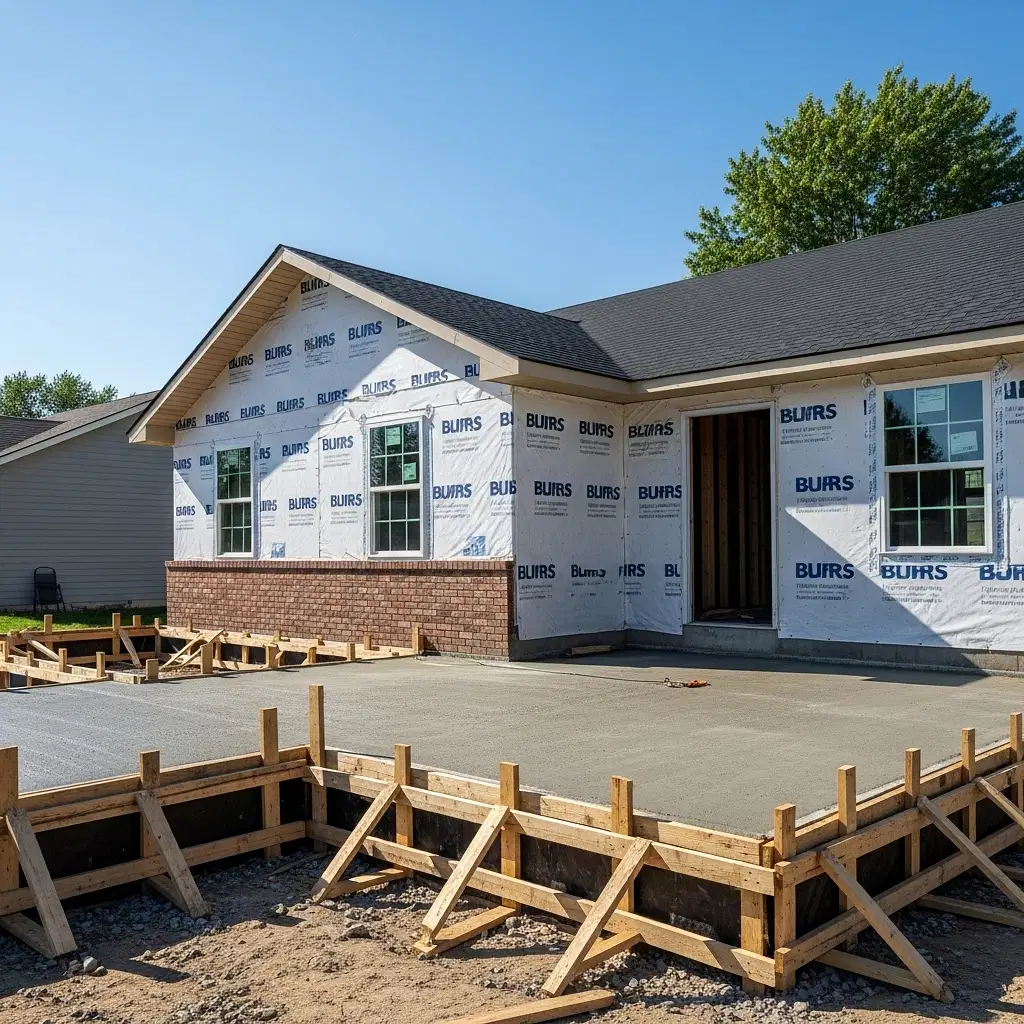
Seismic retrofitting is the process of strengthening a building to make it more resistant to earthquake damage. It’s not about making your home “earthquake-proof,” but about reinforcing its structure to prevent collapse and minimize damage. The goal is to ensure the house and its foundation move as a single, solid unit during a quake. Key retrofitting techniques include:
- Foundation Bolting: This is the most critical step. We drill holes through the sill plate (the wooden board that sits on top of the foundation) and into the concrete foundation, then secure them with heavy-duty anchor bolts. This firmly connects the house to its foundation.
- Cripple Wall Bracing: To strengthen weak cripple walls, we add structural-grade plywood sheathing to the framing. This creates a sturdy “shear wall” that can withstand the lateral forces of an earthquake, preventing the walls from buckling. This process is a specialized form of structural framing that adds immense stability.
- Water Heater Strapping: A simple but vital step. Unsecured water heaters can topple during an earthquake, rupturing gas and water lines, which can lead to fires and flooding.
- Soft-Story Reinforcement: For homes with a soft story, the solution is more complex and may involve installing a new steel moment frame or adding reinforced shear walls to strengthen the garage or open space.
Each home is unique, and the right combination of retrofitting techniques depends on its specific construction and condition.
The Long-Term Benefits of Retrofitting Your Home
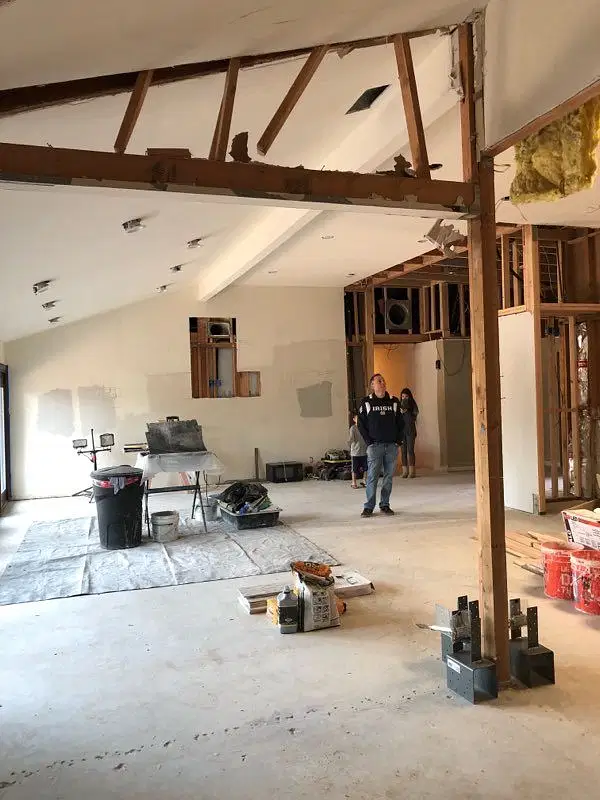
Investing in an earthquake retrofit is one of the smartest decisions a homeowner in Southern California can make. The benefits extend far beyond just structural integrity, directly addressing what matters most to you: safety, financial security, and peace of mind.
First and foremost, retrofitting is about safety. It significantly reduces the risk of structural collapse, protecting you and your family from harm. This peace of mind is invaluable.
Second, it protects your financial investment. The cost of a retrofit is a fraction of the cost to repair a home that has slid off its foundation or suffered a major structural failure. In a major earthquake, a retrofitted home is far more likely to be habitable, while non-retrofitted homes nearby could be total losses. This not only preserves your equity but can also increase your property's value, as a seismically secure home is a major selling point.
Finally, it simplifies your recovery process. Some insurance carriers may offer reduced premiums for retrofitted homes, and having a structurally sound house makes the entire post-quake recovery process faster and less stressful.
Our Professional Retrofitting Process
We understand that undertaking any major construction project can feel daunting. That's why we've developed a clear, transparent process to ensure your project is managed smoothly from start to finish, addressing common concerns about project management, communication, and regulatory hurdles.
- Comprehensive Assessment: Our process begins with a thorough inspection of your home's foundation, cripple walls, and overall structure to identify specific vulnerabilities.
- Customized Plan & Proposal: We develop a detailed retrofitting plan tailored to your home's needs. You'll receive a transparent, easy-to-understand proposal with no hidden costs, so you know exactly what to expect.
- Permitting and Engineering: We handle all the necessary engineering and navigate the complex permitting process with local Orange County authorities, ensuring all work is fully compliant with current building codes.
- Expert Installation: Our skilled team carries out the retrofitting work with precision and care, using high-quality materials and proven techniques while minimizing disruption to your daily life.
- Final Inspection: We coordinate the final inspection with the city or county to certify that the work meets all seismic safety standards, giving you official documentation and confidence in your home's new resilience.
Secure Your Home Before the Shaking Starts
Living in SoCal means being prepared. Proactively strengthening your older home with a seismic retrofit is a powerful investment in your family's safety and your financial future. It transforms a point of vulnerability into a source of strength and security.
Don't wait for the next earthquake to reveal your home's weaknesses. If you own an older home in Orange County, contact ARC construction & Remodeling today for a professional seismic assessment. Let our team help you protect what matters most with our expert general contracting, framing, and home remodeling services.